

DENTAL BONDING
Dental bonding is a cosmetic treatment that improves the look of a tooth by using a tooth-colored resin. This resin is soft when applied and then shaped carefully to match the natural form of your tooth. Once set with a special light, it becomes firm and blends with the rest of your smile. Dental bonding is a great choice for small concerns such as tiny chips, light cracks, small gaps, uneven tooth edges, or discoloration that does not respond well to whitening. Because the resin is matched to your tooth shade, the final result looks neat, smooth, and natural.
This treatment is popular among patients who want a quick and easy way to enhance their smile without going through a long or complicated procedure. Most bonding sessions can be done in a single visit, making it a simple option for busy individuals. The process is gentle, and in most cases, the natural tooth surface does not need heavy trimming or shaping. Your dentist simply prepares the tooth lightly, applies the resin, shapes it carefully, and then polishes it for a clean finish. Once the tooth is polished, the surface looks even and the smile appears brighter and more balanced.
Dental bonding is often used on the front teeth because these are the most visible when you talk or smile. However, it can also be used on other teeth that show when you speak or laugh. It is especially helpful for people who want to improve cosmetic concerns without choosing veneers or crowns. While those treatments offer more coverage, dental bonding is a very simple and cost-friendly way to upgrade the smile with small yet noticeable changes.
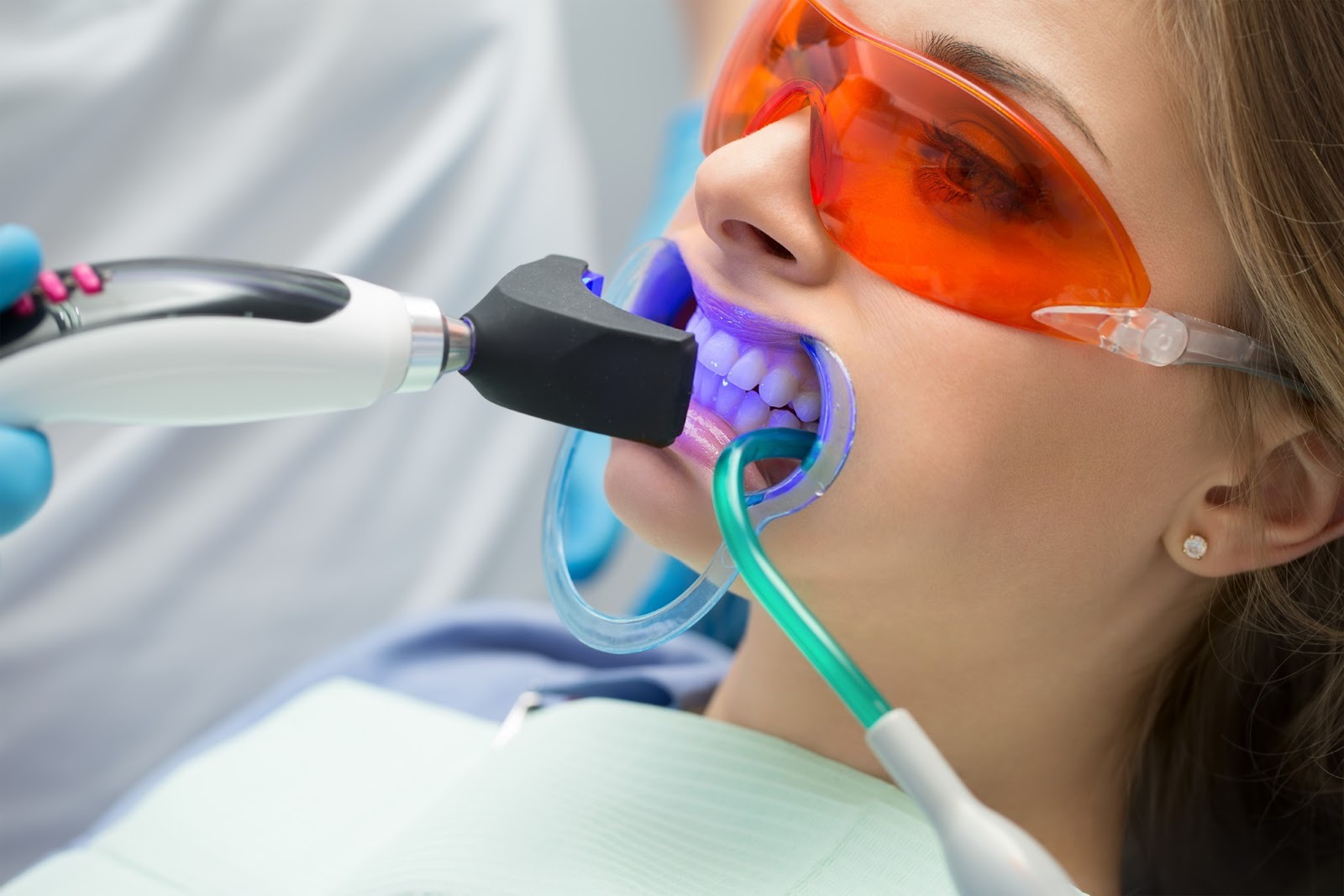
Another advantage of bonding is that it preserves most of your natural tooth structure. Since the treatment does not involve major reshaping, it is a comfortable option that keeps your original tooth strong. For people who feel nervous during dental procedures, bonding can be reassuring because it usually does not require numbing injections. The dentist works slowly and gently, making the experience smooth and easy.
Once your bonding treatment is complete, caring for the bonded tooth is straightforward. Regular brushing and flossing help keep the area clean and prevent stains. Although the resin is strong, it is not as hard as ceramic or enamel, so it is important to avoid biting hard items such as ice, pens, or nuts directly with the bonded tooth. Your dentist will give you simple tips to maintain the bonded area and may suggest small touch-ups in the future if the material becomes dull or slightly worn.
Routine dental checkups also help keep the bonded teeth in good shape. During your visits, the dentist will check the bonding for any small chips or changes and can smooth or polish it if needed. Many patients enjoy the fact that bonding can be easily repaired without replacing large parts of the tooth. This makes it convenient, especially for young adults or anyone who wants a flexible cosmetic option.
Dental bonding is also an excellent choice for closing small gaps between teeth when orthodontic treatment is not needed. By adding a small amount of resin in certain areas, the dentist can create a more even line of teeth. This simple improvement can change the overall look of your smile without much effort. In cases of discoloration, bonding can cover stains that do not improve even after whitening treatments.
Overall, dental bonding offers a blend of simplicity, comfort, and visual improvement. It is a reliable option for minor enhancements and can make a big difference in the way your teeth look. Many patients choose it as a first step toward a better smile because it is gentle, quick, and easy to adjust over time. Whether you want to fix a small chip from biting something hard or want to make your smile look more uniform, bonding can give you a clean and attractive result with minimal steps.